Source Guide Ball for Caterpillar Excavator for Construction
Find a guide ball for Caterpillar excavator among 30 available listings. Compare specifications such as material, size, and certifications to identify suitable hydraulic parts and bearings for your machinery needs; compare the available evidence and request quotations based on your requirements.
Key considerations
Products List


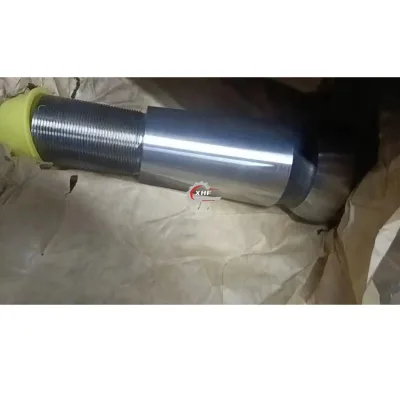
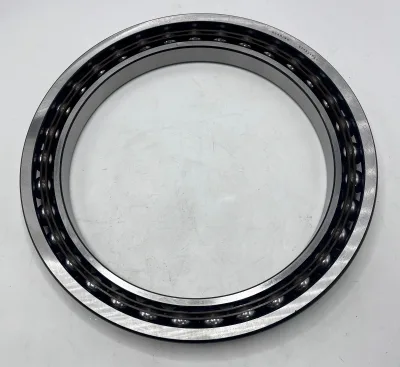


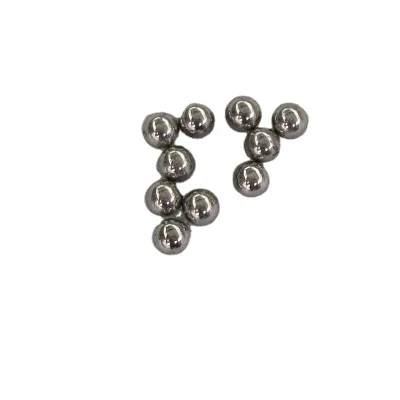


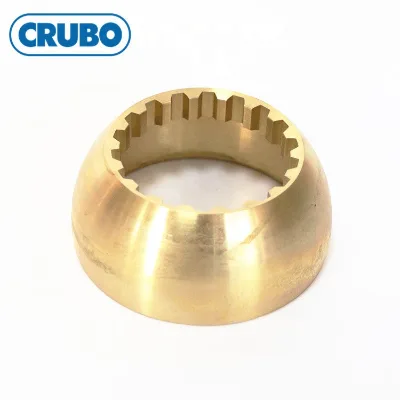




Comprehensive Sourcing Guide
Guide Ball for Caterpillar Excavator Sourcing Guide
Procuring guide balls for Caterpillar excavators requires distinguishing between generic bearing components and specific hydraulic system parts, as the supply chain often lists these items under broad categories like "Hydraulic Parts" or "Bearing Ball." Buyers must carefully cross-reference the product model numbers, such as 374-8342 or 469-5995, against the official equipment manuals to ensure the component matches the exact hydraulic pump or steering assembly requirements. The observed listings frequently mix general industrial steel balls with specialized excavator components, creating a risk of purchasing a part that fits the physical dimensions but fails the pressure or load specifications of the heavy machinery.
Verification of the part number is the first critical step before engaging with any supplier, as the keyword "8X-9620 stud ball" appears alongside generic descriptions that may not be compatible with Caterpillar systems. While some listings explicitly state "Compatible Brand: Caterpillar," others describe the item simply as an "Ordinary Product" or "Spare Parts" without confirming the specific application. Buyers should prioritize listings that provide the machinery test report and detailed model numbers, as these documents offer the necessary evidence that the guide ball has been validated for use in high-stress construction environments rather than general industrial applications.
Product Scope and Observed Listing Signals
The market for excavator guide balls presents a wide variance in product definitions, ranging from solid round bearing steel balls with sizes between 0.8mm and 50mm to specific hydraulic pump components. Buyers will encounter listings that describe the material as either Carbon Steel or Metail, with hardness ratings typically falling between 58 and 63, which are standard for bearing applications but must be verified against the specific wear requirements of the excavator's hydraulic system. The observed data indicates that some products are marketed as "Universal" while others are strictly "Customized," requiring the buyer to determine if a standard off-the-shelf item will suffice or if a custom-machined solution is necessary for the specific machine model.
Listing signals such as "Brand's Standard" packing and "Carton Box+Wooden Case" shipping options suggest that the supply chain handles both small, single-item orders and larger bulk shipments, yet the packaging quality varies significantly between suppliers. The presence of "Video Outgoing Inspection: Not Available" in some listings is a critical red flag for buyers who require visual confirmation of the product condition before shipment, especially for high-value hydraulic components. Conversely, suppliers offering "Machinery Test Report: Provided" and "After-Sales Service: Online Support" demonstrate a higher level of commitment to product integrity, making these listings more reliable for critical excavator maintenance needs.
Technical Specifications to Verify
When evaluating technical specifications, the buyer must confirm the exact grade of the steel ball, as the observed range of G10 to G1000 indicates varying levels of precision and material consistency that directly impact the lifespan of the excavator's moving parts. The magnetic property is listed as "No" for the observed steel balls, which is a standard characteristic for high-quality bearing steel, but this must be explicitly verified to ensure the component will not interfere with sensitive hydraulic sensors or magnetic flow meters within the machine. Additionally, the shape is described as "Solid Round," which is essential for proper seating in the guide assembly, and any deviation from this geometry could lead to premature failure or hydraulic fluid leakage.
Dimensional accuracy is another paramount specification, with observed sizes ranging from 0.8mm to 50mm, yet the specific diameter required for a Caterpillar excavator guide ball is often not explicitly stated in generic listings. Buyers should demand precise dimensional drawings or a certificate of conformance that matches the original equipment manufacturer's tolerance levels, as even minor deviations can cause binding or excessive play in the hydraulic system. The compatibility with the "E320D" model number observed in the data suggests that specific excavator models have unique requirements, and the buyer must ensure the selected guide ball is not just a generic fit but a verified replacement for the specific hydraulic pump or steering component in their fleet.
Compliance and Safety Documentation
Compliance documentation for excavator guide balls often includes certifications such as ISO9001, ISO, and BV, which indicate that the manufacturing process adheres to international quality management standards. However, the presence of these certifications does not automatically guarantee that the specific batch of guide balls meets the safety requirements for heavy machinery operation, so buyers must request the specific test reports associated with the batch number. The observed listings mention "ASTM" certifications alongside ISO standards, suggesting that some suppliers adhere to American Society for Testing and Materials standards, which are particularly relevant for components used in North American construction equipment.
Safety documentation should also include a clear statement regarding the material composition, as the observed data lists both "Carbon Steel" and "Metail," which may refer to different alloy compositions with varying corrosion resistance and strength properties. For hydraulic systems exposed to harsh environments, the material grade must be verified to ensure it can withstand the chemical exposure from hydraulic fluids, which are sometimes listed under applications like "Photographic Chemicals, Bleaches, Dyes, Inks" in generic product descriptions. Buyers should insist on a material test report that confirms the chemical composition and mechanical properties, ensuring the guide ball will not degrade or fail under the operational stresses of a Caterpillar excavator.
Cost Drivers and Commercial Terms
The cost of guide balls for Caterpillar excavators is influenced by several factors, including the material grade, the precision of the manufacturing process, and the complexity of the packaging required for international shipping. The observed price range of 0 to 800 USD reflects the vast difference between a single generic steel ball and a specialized, certified hydraulic component, making it essential for buyers to understand the value proposition of each listing. High-quality components with "High-Quality" attributes and "1 Year" warranties typically command a higher price, but this investment is often justified by the reduced risk of machine downtime and the extended service life of the excavator.
Commercial terms such as payment methods including "PAYPAL," "WEST UNION," "TT," and "TRADE ASSURANCE" offer varying levels of protection for the buyer, with Trade Assurance providing the most security for international transactions. The minimum order quantity (MOQ) ranges from 1 piece to 10,000 pieces, allowing for flexibility in procurement strategies, but buyers must balance the cost per unit against the total order volume to optimize their inventory costs. Delivery times are observed to be between 7 and 10 days via Express, Air, or Sea freight, and the choice of transport method will significantly impact the total landed cost and the urgency of the replacement part availability for critical repairs.
Supplier Qualification and Quality Control
Supplier qualification for excavator guide balls should be based on a rigorous assessment of their production capacity, which is observed to be up to 500 tons per month for some suppliers, indicating a significant ability to handle large orders. However, capacity alone does not guarantee quality, so buyers must verify the supplier's quality control processes, including whether they provide machinery test reports and if they offer video outgoing inspections for critical orders. The absence of video inspection in some listings suggests that the supplier may rely solely on internal checks, which increases the risk of receiving non-conforming products that could compromise the safety and performance of the excavator.
Quality control also extends to the supplier's ability to provide after-sales support, with observed listings offering "Online Support" as a standard service. This support is crucial for troubleshooting any issues that arise after the installation of the guide ball, such as unexpected wear or fitment problems. Buyers should prioritize suppliers who demonstrate a commitment to quality through certifications like ISO9001 and who are willing to provide detailed documentation, including material certificates and test reports, to ensure that the guide balls meet the stringent requirements of heavy machinery applications.
Long-Term Procurement Checks
Long-term procurement of guide balls requires establishing a relationship with suppliers who can consistently provide high-quality components that meet the evolving needs of the excavator fleet. Buyers should implement a system for tracking the performance of the guide balls in the field, noting any instances of premature wear or failure, and using this data to evaluate the reliability of the supplier over time. The observed "1 Year" warranty period provides a baseline for performance expectations, but buyers should aim for suppliers who offer extended warranties or guarantees based on the actual service life of the component in the specific application.
Regular audits of the supplier's quality control processes and production capabilities are essential to maintain the integrity of the supply chain, especially as the demand for excavator parts fluctuates with the construction industry cycles. Buyers should also monitor changes in the supplier's certifications and standards, ensuring that they continue to adhere to ISO9001 and other relevant standards as the market evolves. By maintaining a proactive approach to supplier management and continuously verifying the quality of the guide balls, buyers can ensure the long-term reliability and efficiency of their Caterpillar excavator fleet.
FAQs
What is the warranty period for guide ball for caterpillar excavator?
The warranty period is typically one year for these hydraulic parts. This coverage applies to standard manufacturing defects and material integrity. Buyers should verify specific terms with the supplier, as some listings indicate unavailable warranty options. Always confirm the exact duration and conditions before finalizing the purchase order to ensure adequate protection.
Which certifications are available for guide ball for caterpillar excavator?
Common certifications include ISO9001, ISO, BV, and ASTM standards. These documents verify quality management systems and material compliance for industrial applications. Suppliers may offer different certification levels depending on the specific model and origin. Buyers should request valid certificates to ensure the parts meet international safety and quality requirements for heavy machinery.
Can guide ball for caterpillar excavator be customized for specific models?
Yes, customization is available for many hydraulic parts and bearings. Suppliers can adjust specifications to fit models like the E320D or other compatible brands. This service allows for precise fitting in construction work environments. Buyers should provide exact model numbers and dimensions to ensure the customized parts meet their operational requirements and machinery specifications.
What is the typical lead time for guide ball for caterpillar excavator?
The delivery time is generally seven to ten days for standard orders. This timeframe applies to most suppliers offering express, air, or sea transport options. Lead times may vary based on stock availability and shipping method chosen. Buyers should confirm the exact schedule with the vendor to align with their project timelines and avoid operational delays in construction work.
What is the minimum order quantity for guide ball for caterpillar excavator?
The minimum order quantity ranges from one piece to ten thousand pieces depending on the supplier. Some vendors accept single-item purchases for testing or small repairs. Larger orders may benefit from bulk pricing or standardized packaging. Buyers should check the specific MOQ requirements of their chosen supplier to determine the most cost-effective purchasing strategy for their needs.
Where are guide ball for caterpillar excavator typically manufactured?
Products originate from various locations, including the USA and Guangdong, China. The origin affects shipping costs and lead times significantly. Buyers should verify the place of origin to ensure compatibility with local regulations and logistics. Different manufacturing locations may also offer varying quality standards and material grades for the same part specifications.